Red Rock: A Font That Speaks Volumes in Design and Communication
When you need a font that commands attention, Red Rock is the choice that delivers. With its modern yet rugged appearance, this typeface is designed to stand out—whether you're crafting a logo, designing a poster, or writing a headline that needs to cut through the noise. Its strong character makes it perfect for messages that demand visibility and impact.
What Is Red Rock?
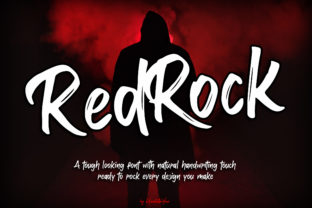
Red Rock is a bold, sans-serif font with clean lines and a slightly edgy look. It blends modern minimalism with a touch of toughness, making it versatile enough to fit a wide range of design styles. The letterforms are sturdy and well-proportioned, ensuring readability even at smaller sizes. This font is ideal for those who want their message to be both clear and compelling.
Its name, Red Rock, evokes imagery of strength and resilience—qualities that translate well into the visual language of design. Whether you're creating a brand identity or working on a digital project, Red Rock brings an air of confidence and authority to any text it touches.
Where Can You Use Red Rock?
The beauty of Red Rock lies in its adaptability. Here are some real-world scenarios where this font shines:
- Branding and Logos: If your brand is all about strength, innovation, or a no-nonsense attitude, Red Rock can help convey that message instantly. It works especially well for tech startups, fitness brands, or outdoor gear companies.
- Posters and Flyers: When you need to grab attention from a distance, this font's boldness ensures that your message doesn't get lost. Think about event posters, promotional flyers, or anything that needs to be read quickly from afar.
- Headlines and Titles: In web design or print media, headlines using Red Rock will immediately draw the reader's eye. It’s great for blog posts, articles, or marketing materials where the title needs to make an impression.
- Product Packaging: For packaging that needs to stand out on a shelf, this font adds a sense of durability and reliability. It’s commonly used in industries like automotive, construction, or sports equipment.
- Digital Media: From social media graphics to website headers, Red Rock maintains its sharpness and clarity across different screens and resolutions. It’s a go-to for designers looking for a font that looks good online and offline.
Why People Choose Red Rock
Users choose Red Rock because it does more than just look good—it communicates. Here’s how different professionals benefit from using it:
Entrepreneurs and Marketers: They use it to create powerful branding elements that resonate with their target audience. A strong, memorable font helps build a consistent brand image that customers recognize and trust.
Designers and Creatives: Many appreciate its versatility. It’s not too flashy, but it has enough personality to avoid being generic. It allows them to focus on the content while still making a visual statement.
Bloggers and Writers: When publishing content, they often use Red Rock for headings or call-out sections. It adds a sense of urgency or importance to key points without overwhelming the reader.
Small Business Owners: For those who need to create marketing materials on a budget, this font offers a professional look without the cost of hiring a designer. It’s easy to use and integrates well with most design tools.
Real-World Examples of Red Rock in Action
Let’s imagine a few situations where Red Rock makes a real difference:
Scenario 1: A local gym wants to update its signage and website. Using Red Rock for the main heading on the website and the gym’s name on the storefront gives it a bold, energetic feel that matches the gym’s vibe.
Scenario 2: A freelance graphic designer is creating a portfolio site. She uses Red Rock for section titles and client names. The font adds a touch of professionalism while keeping the overall design modern and approachable.
Scenario 3: An e-commerce store selling outdoor gear uses Red Rock for product titles and promotional banners. The font reinforces the brand’s image as tough, reliable, and built for the outdoors.
Things to Consider Before Using Red Rock
While Red Rock is a fantastic font, it’s not always the best fit. Here are a few things to think about before using it:
- Context Matters: While it’s great for bold statements, Red Rock might not be suitable for long blocks of text. It’s better suited for short, impactful phrases rather than lengthy paragraphs.
- Color Contrast: Because it’s a strong font, pairing it with the right color palette is important. Darker colors tend to work best for maximum legibility and visual impact.
- Readability at Small Sizes: Though it’s readable, Red Rock may lose some of its sharpness when scaled down too much. Always test it at various sizes before finalizing your design.
- Brand Personality: Make sure the font aligns with your brand’s voice. If your brand is more casual or playful, Red Rock might come off as too serious or aggressive.
Red Rock is more than just a font—it’s a tool that helps you communicate with confidence. Whether you’re building a brand, creating content, or designing something visually striking, this font can give your message the edge it needs to stand out. Just remember to use it wisely, and it will serve you well in every project it touches.