Sense: A Font That Speaks Volumes in Modern Design
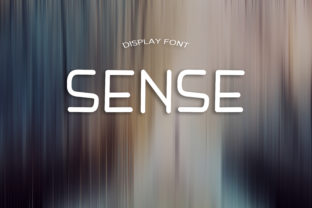
In an era where visual communication reigns supreme, the right typography can make or break a design. Enter Sense, a display font that doesn’t just catch the eye but also conveys emotion and style with every letterform. As designers, marketers, and content creators increasingly seek tools that elevate their work, Sense has emerged as a favorite for its elegant curves, readability, and versatility.
Typography is more than aesthetics—it's about message delivery. With the rise of digital media and the demand for attention-grabbing visuals, the choice of font plays a pivotal role in how a message is received. Sense meets this need head-on by blending modern minimalism with expressive flair, making it a perfect fit for logos, headlines, branding materials, and even digital interfaces.
The Evolution of Typography in Design
The world of typography has evolved significantly over the past decade. From the dominance of sans-serif fonts in web design to the resurgence of serif fonts in print, trends have shifted with user expectations and technological advancements. Today’s audiences are inundated with information, and they crave clarity, impact, and personality in every visual element they encounter.
Sense aligns perfectly with these changing expectations. It was designed with a balance between form and function, ensuring that it looks great on both screen and print while maintaining legibility across various sizes and resolutions. This makes it particularly valuable for multi-channel marketing campaigns, where consistency and adaptability are key.
As businesses strive to create a strong brand identity, the right font can become a signature element. Sense offers a unique opportunity to stand out in a crowded marketplace without sacrificing professionalism or clarity.
Why Sense Stands Out in a Crowded Market
The typography market is saturated with options, from classic fonts like Helvetica to bold, modern choices like Bebas Neue. What sets Sense apart is its ability to evoke warmth and sophistication simultaneously. Its clean lines and subtle serifs give it a refined look, while its open counters and generous spacing ensure that it remains highly readable even at smaller sizes.
For professionals in creative fields, this means that Sense can be used effectively in everything from website headers to social media posts. Educators might use it for course materials to enhance readability, while entrepreneurs could leverage it in presentations to convey confidence and innovation.
Moreover, Sense is not limited to traditional design applications. In the realm of user experience (UX) design, the font’s approachable yet professional aesthetic can help guide users through digital interfaces with ease. This is especially relevant as more brands focus on creating seamless, intuitive experiences that resonate emotionally with their audience.
Practical Applications of Sense in Real-World Projects
Let’s explore some practical ways Sense can be applied across different industries:
- Branding and Logo Design: The font’s elegance makes it ideal for logos that aim to communicate trust and creativity. Whether you're launching a new business or rebranding an existing one, Sense can serve as a visual anchor.
- Marketing Materials: Brochures, flyers, and posters benefit from the font’s ability to draw attention without overwhelming the viewer. Its structure allows for effective hierarchy, guiding the reader’s eye naturally through the content.
- Web Design: On websites, Sense works well for headlines and call-to-action buttons. Its clean appearance ensures that it complements rather than competes with other design elements.
- Print Media: From business cards to magazine layouts, Sense maintains its quality when printed, offering a consistent look across all mediums.
These applications highlight how versatile Sense is, making it a go-to choice for professionals who value both beauty and functionality in their designs.
Trends Driving the Popularity of Display Fonts
The growing popularity of display fonts reflects broader shifts in design culture. As consumers become more visually discerning, there’s a greater appreciation for unique, expressive typography that adds character to a project. This trend is evident in everything from Instagram posts to corporate reports, where a distinctive font can make a lasting impression.
Additionally, the rise of remote work and digital collaboration has increased the demand for fonts that can be easily shared and used across platforms. Sense is compatible with most design software and operating systems, making it accessible to a wide range of users—from seasoned professionals to hobbyists just starting out.
Another factor contributing to the appeal of display fonts like Sense is the increasing emphasis on personalization. In a world where generic content struggles to cut through the noise, using a font that reflects a brand’s personality or a designer’s vision can be a powerful differentiator.
How to Use Sense Effectively
To get the most out of Sense, consider the following tips:
- Use it sparingly: While Sense is a striking font, it should be reserved for headings, titles, or accents rather than body text. Overusing it can lead to visual clutter.
- Pair it with complementary fonts: Combining Sense with a simpler sans-serif or serif font can create a balanced and harmonious layout. For example, pairing it with Open Sans or Georgia can enhance readability and visual contrast.
- Experiment with spacing and size: Adjusting the line height and letter spacing can dramatically affect how Sense appears. Play around with these settings to find the optimal look for your project.
- Consider color and background: The font’s appearance can be influenced by the colors and backgrounds it’s placed against. Choose a palette that complements the font’s style and enhances its legibility.
By thoughtfully integrating Sense into your projects, you can create designs that are not only visually appealing but also functional and impactful.
The Future of Typography and the Role of Fonts Like Sense
As technology continues to evolve, so too will the role of typography in design. Emerging trends such as variable fonts, which allow for dynamic adjustments in weight and width, are already reshaping the industry. Fonts like Sense are well-positioned to adapt to these changes, offering flexibility and scalability that meet the needs of modern design workflows.
Furthermore, as accessibility becomes a central concern in design, fonts that prioritize readability and inclusivity are gaining traction. Sense contributes to this movement by providing a clear, legible option that works well for a diverse range of users, including those with visual impairments.
Looking ahead, it’s likely that we’ll see even more emphasis on fonts that combine artistic expression with practicality. Sense exemplifies this balance, making it a valuable asset for anyone looking to create compelling, memorable designs in today’s competitive landscape.
Whether you're a designer, marketer, educator, or entrepreneur, incorporating Sense into your workflow can help you achieve a level of visual excellence that resonates with your audience. Its combination of elegance, versatility, and readability ensures that it will remain a staple in the ever-evolving world of typography for years to come.