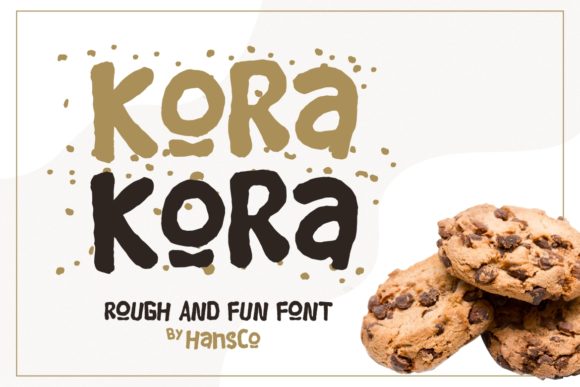
Kora Kora: A Playful Font for Strategic Design and Communication
Kora Kora is a display font that blends cuteness with a modern, bouncy energy. Its quirky character makes it ideal for projects that require a touch of whimsy without sacrificing professionalism. Whether you're designing branding materials, marketing collateral, or digital content, Kora Kora can add an organic and playful dimension to your work. However, its strategic use requires thoughtful consideration to ensure it aligns with your goals and messaging.
Understanding the Strategic Value of Kora Kora
Kora Kora’s unique design elements—its rounded edges, irregular spacing, and dynamic strokes—make it stand out in a sea of traditional fonts. This visual distinctiveness can be a powerful tool for capturing attention and conveying personality. For instance, if you're launching a product aimed at children or young adults, Kora Kora can help create an inviting and approachable brand identity.
But beyond aesthetics, the font's playful nature can support broader communication strategies. It can evoke emotions, build connections, and make complex information more digestible. When used appropriately, Kora Kora can enhance readability by breaking up dense text and guiding the reader's eye through a layout.
When to Use Kora Kora Strategically
Kora Kora shines in contexts where creativity and engagement are priorities. Consider using it for:
- Headlines and subheadings in blog posts, newsletters, or social media content to add visual interest.
- Branding elements such as logos, taglines, or promotional banners to reinforce a fun and modern brand image.
- Interactive interfaces like buttons, call-to-action sections, or UI components where a lighter tone is appropriate.
- Presentations and infographics to make data more engaging and visually appealing.
These applications demonstrate how Kora Kora can serve both functional and aesthetic purposes. However, it's crucial to balance its playful nature with clarity and purpose to avoid undermining your message.
Planning Your Use of Kora Kora
Before incorporating Kora Kora into your design, consider the following factors:
- Target audience: Who are you trying to reach? Will they find Kora Kora appealing or confusing?
- Brand voice: Does your brand's tone align with the font's playful and quirky vibe?
- Context and medium: How will Kora Kora be used? On print, digital, or social media platforms?
- Legibility: Ensure that the font remains readable even when used in smaller sizes or across different backgrounds.
By addressing these questions upfront, you can make informed decisions about where and how to use Kora Kora effectively. This proactive planning helps prevent misalignment between your design choices and your overall objectives.
Strategic Examples of Kora Kora in Action
Let’s explore a few practical examples of how Kora Kora can be integrated into real-world scenarios:
Example 1: Branding for a Children’s Toy Company
A toy company targeting young children might use Kora Kora in their logo and packaging designs. The font's bouncy and weird characteristics mirror the playful nature of their products, helping to create an emotional connection with potential customers.
Example 2: Marketing Campaign for a Creative Agency
An advertising agency looking to position itself as innovative and unconventional could leverage Kora Kora in their campaign materials. By using the font in headlines and promotional graphics, they can communicate their creative ethos while standing out from competitors.
Example 3: Educational Content for Young Learners
For educational resources aimed at children, Kora Kora can be used in titles, illustrations, and interactive learning modules. Its organic feel makes it easier for young learners to engage with the material and retain information.
Risks and Considerations
While Kora Kora offers many benefits, there are risks associated with its use if not applied thoughtfully. Overuse can lead to visual clutter, making it harder for readers to focus on the content. Additionally, the font may not be suitable for all professional settings, particularly those requiring a more formal or serious tone.
Another risk is that Kora Kora might not be universally accessible. Some users may have difficulty reading it due to its irregular structure, especially in low-resolution environments or on screens with limited contrast. Always test your designs across various devices and conditions to ensure they remain effective and inclusive.
Furthermore, relying too heavily on Kora Kora without considering other typographic elements can result in an unbalanced design. It should complement rather than overshadow the rest of your content.
Best Practices for Using Kora Kora Intentionally
To maximize the impact of Kora Kora, follow these best practices:
- Use it sparingly: Reserve Kora Kora for key visual elements rather than applying it throughout your entire design.
- Pair it with complementary fonts: Combine Kora Kora with clean, sans-serif fonts to maintain readability and balance.
- Test for legibility: Ensure that the font works well in different sizes and across various mediums before finalizing your design.
- Align with brand guidelines: Make sure that the use of Kora Kora supports your brand’s visual identity and messaging strategy.
These practices help ensure that Kora Kora enhances your design rather than detracting from it. They also support long-term consistency and effectiveness in your communications.
Long-Term Benefits of Thoughtful Font Usage
Incorporating Kora Kora into your design strategy can yield several long-term benefits. It can strengthen brand recognition, improve user engagement, and contribute to a more memorable customer experience. Over time, consistent and intentional use of the font can help establish a unique visual identity that resonates with your audience.
Moreover, by choosing fonts that align with your brand's values and goals, you can create a more cohesive and impactful design system. This system can streamline your creative processes, reduce rework, and improve overall productivity.
Ultimately, the success of Kora Kora depends on how strategically it is used. When applied with care and purpose, it can become a valuable asset in your design toolkit, helping you achieve better results and drive meaningful outcomes.