Deck: A Blocky and Strong Display Font That Feels Timeless
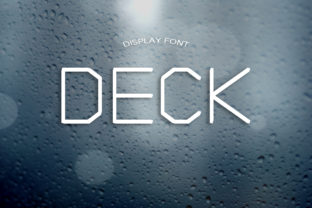
Deck is a display font that stands out with its blocky, bold structure and timeless appeal. Designed to capture attention without overwhelming the viewer, it offers a clean, modern aesthetic that works across a wide range of design projects. Whether you're crafting a logo, designing a website, or creating marketing materials, Deck provides a strong visual anchor that can elevate your work from ordinary to extraordinary.
Understanding the Role of Deck in Design
In the world of typography, display fonts are used to make a statement. They are not meant for long-form text but rather for headlines, titles, and other elements where impact matters more than readability. Deck fits into this category perfectly. Its blocky structure gives it a sense of strength and stability, while its clean lines ensure it remains legible even at smaller sizes.
Deck feels timeless because it draws inspiration from classic typefaces while incorporating modern design principles. This makes it versatile enough to be used in both traditional and contemporary contexts. It’s a font that doesn’t feel outdated, nor does it try too hard to be trendy.
When to Use Deck in Your Projects
Deck is best suited for situations where you want to create a strong first impression. Here are some common use cases:
- Headlines and Titles: Deck shines when used as a headline or title. Its boldness ensures it grabs attention, making it ideal for blog posts, articles, and web pages.
- Logos and Branding: The simplicity and strength of Deck make it a great choice for logos. It conveys professionalism and reliability, which are key attributes for any brand.
- Marketing Materials: From posters to brochures, Deck adds a touch of authority and clarity to marketing collateral. It helps ensure your message is communicated clearly and effectively.
- Presentations and Slides: When presenting ideas, using Deck as a title slide or for key points can help emphasize important information and maintain visual consistency throughout the presentation.
Integrating Deck Into Your Workflow
Incorporating Deck into your design workflow can enhance the overall quality of your projects. Here's how you can integrate it smoothly:
Pre-Design Phase: Before starting a project, consider whether Deck aligns with your brand identity or the tone you want to convey. If your brand is professional, reliable, or minimalist, Deck could be an excellent fit.
During Design: Once you've decided to use Deck, apply it to your main headings or focal points. Ensure that it complements the rest of your design by maintaining a consistent color palette and spacing.
Post-Design Review: After completing your design, review how Deck is used. Check for legibility, contrast, and overall harmony with the surrounding elements. Make adjustments if needed to ensure it enhances rather than detracts from your message.
How Deck Works With Other Tools and Resources
Deck is compatible with most design software, including Adobe Photoshop, Illustrator, InDesign, and online tools like Canva. Its availability in multiple formats (such as TTF, OTF, and WOFF) ensures it can be used across different platforms and devices.
When working with digital content, consider how Deck interacts with other fonts. Pairing it with a complementary sans-serif or serif font can create a balanced and visually appealing layout. For example, using Deck for headlines and a lighter font like Helvetica or Georgia for body text can provide a nice contrast without clashing.
Additionally, Deck works well with various design systems and frameworks. If you're using a CMS like WordPress or a framework like Bootstrap, you can easily incorporate Deck into your site’s typography settings through custom CSS or font loading techniques.
Practical Implementation Tips
To get the most out of Deck, here are some practical tips to keep in mind:
- Use It Sparingly: Since Deck is a display font, it should be used only for emphasis. Overusing it can lead to visual clutter and reduce its impact.
- Maintain Contrast: Ensure that Deck has sufficient contrast against the background. A dark font on a light background or vice versa will improve readability and aesthetics.
- Test Across Devices: Check how Deck looks on different screens, including mobile devices. Some fonts may render differently on various platforms, so it's essential to test before finalizing your design.
- Stay Consistent: Maintain consistency in how you use Deck throughout your project. If you're using it for headlines, apply it uniformly across all sections to create a cohesive look.
Long-Term Use and Quality Control
When using Deck over the long term, it's important to establish guidelines for its use. This includes defining when and where it should be applied, ensuring it remains aligned with your brand's evolving identity, and periodically reviewing its effectiveness in different contexts.
Quality control is also crucial. Regularly assess how Deck performs in different scenarios—whether it's in print, on screen, or across various media types. If necessary, update your usage guidelines based on feedback and new design trends.
By maintaining a clear understanding of how Deck functions within your workflow, you can ensure it continues to deliver the right impact without becoming outdated or misused.
Conclusion
Deck is more than just a font—it's a design tool that can transform the way you approach typography. Its blocky, strong structure and timeless appeal make it a valuable asset in any designer's toolkit. Whether you're working on branding, marketing materials, or digital content, Deck can help you create designs that stand out and leave a lasting impression.
By integrating Deck into your workflow thoughtfully and strategically, you can enhance the visual impact of your projects while maintaining a level of professionalism and consistency that resonates with your audience.