Marble: A Timeless Display Font with a Laid-Back Vibe
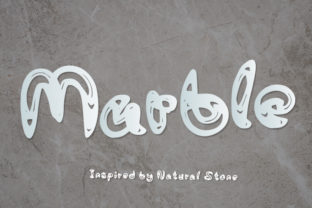
Marble is more than just a font—it’s a visual experience. Inspired by the natural patterns and subtle variations found in real marble, this display font brings a sense of elegance and organic flow to any design. Its laid-back personality makes it feel approachable yet refined, striking a perfect balance between sophistication and casual charm.
The Visual Soul of Marble
At first glance, Marble stands out for its unique texture and irregularity. It mimics the way light plays across marble surfaces, creating a dynamic interplay of shadows and highlights. This gives the font a handcrafted feel, as if each letter was carved by a skilled artisan rather than generated by a machine.
Marble’s design leans into the world of serif fonts, but it doesn’t rely on traditional serifs. Instead, it uses soft curves and gentle transitions to create a sense of movement. The overall style is reminiscent of script and handwritten fonts, but without the heaviness or complexity that often comes with those styles. This makes it versatile enough to work in both editorial and branding contexts.
Where Does Marble Shine?
Marble is not a font for every project, but when used appropriately, it can elevate a design significantly. Here are some key areas where it excels:
- Creative Projects: Whether it's a poster, a magazine cover, or a social media graphic, Marble adds a touch of artistry that draws the eye.
- Branding: Its organic feel makes it ideal for logos and brand identity systems that want to convey warmth and authenticity.
- Marketing Materials: From brochures to email headers, Marble can help your message stand out without overwhelming the reader.
- Publishing: In editorial design, it works well for headlines or pull quotes, adding a layer of personality to otherwise formal layouts.
- Digital Design: When used sparingly on websites or apps, it can enhance user engagement without compromising readability.
- Print and Packaging: The font’s texture lends itself beautifully to product packaging, especially for luxury or artisanal goods.
- Personal Projects: If you're creating content for personal use—like a blog, zine, or portfolio—Marble adds a creative edge that feels genuine.
- Commercial Use: With the right licensing, it’s suitable for small business owners and entrepreneurs looking to build a strong visual identity.
Influence on Brand Perception and Audience Engagement
Choosing the right font can shape how your audience perceives your brand. Marble, with its organic and flowing nature, can communicate a sense of creativity, craftsmanship, and approachability. It’s not about being overly formal or rigid; instead, it invites the viewer to engage with the text in a more relaxed and personal way.
This font can also play a role in visual hierarchy. Because it’s a display font, it’s best used for headings and subheadings rather than body text. However, when paired with a complementary sans-serif or serif font, it can help guide the reader’s eye through a layout effectively.
Consistency is key in brand identity, and Marble offers several styles—including bold, italic, and condensed variants—that allow for flexibility while maintaining a cohesive look. This makes it a great choice for designers who want to maintain a unified visual language across different mediums.
How to Choose and Use Marble Effectively
Before jumping into a project, take a moment to evaluate whether Marble is the right fit. Consider the following:
- Project Purpose: Is it meant to be a statement piece or a subtle enhancement? Marble thrives in creative and expressive projects.
- Font Pairing: Test it with other fonts to ensure they complement rather than compete. A clean sans-serif like Montserrat or Roboto can provide a nice contrast.
- Readability: While Marble is visually appealing, it should never compromise clarity. Use it in larger sizes and avoid overusing it in dense text blocks.
- License Type: Make sure you have the correct commercial license if you’re using it for business purposes. Many premium fonts offer flexible licensing options for both personal and professional use.
- Design Assets: Consider how the font will integrate with other design elements—color schemes, imagery, and layout structure.
- Audience: Think about who will be viewing the design. Marble’s laid-back feel may resonate better with certain demographics than others.
Real-world examples show that Marble works particularly well in creative industries such as fashion, lifestyle, and arts. It’s also popular among independent publishers and bloggers who want to add a unique touch to their content without sacrificing professionalism.
Final Thoughts on Using Marble
Marble isn’t just another display font—it’s a design tool that brings personality, texture, and character to any project. Whether you’re working on a logo, a social media post, or a print campaign, it has the potential to make your message more engaging and memorable.
By understanding its strengths and limitations, you can use Marble to enhance your brand’s visual identity while keeping your audience engaged. When chosen thoughtfully and applied with care, it can become an essential part of your design toolkit.