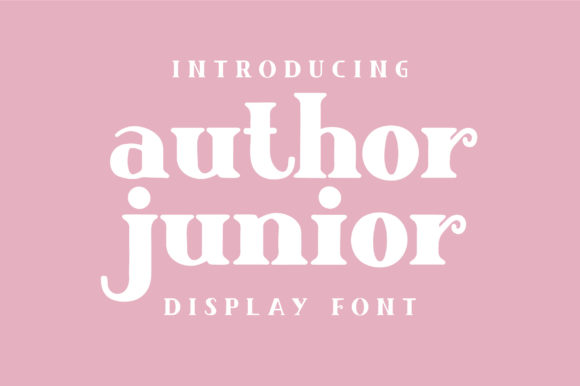
Author Junior: A Modern Display Font for Projects That Demand Personality
Author Junior is a display font that brings clarity and character to any project. Designed with a clean, modern aesthetic, it bridges the gap between professional readability and creative expression. Whether you're crafting a brand identity, designing a website, or preparing marketing materials, Author Junior offers a versatile solution that aligns with both form and function.
Understanding the Role of Author Junior in Design Workflows
Fonts are more than just text—they’re visual tools that shape perception. Author Junior stands out due to its balanced proportions and subtle stylistic details, making it ideal for headings, logos, and other prominent text elements. Its design ensures legibility across various media, from print to digital screens.
Before starting a project, consider how typography will support your overall message. Author Junior fits well into workflows where a bold yet approachable typeface is needed. It pairs effectively with sans-serif fonts for body text, creating a harmonious contrast that guides the reader's eye naturally through content.
Pre-Project Integration: Setting the Tone with Typography
Incorporating Author Junior early in the design process helps establish a consistent visual language. When choosing a font, think about how it aligns with your brand voice. If your brand is innovative yet trustworthy, Author Junior’s modern look can reinforce that identity.
Use tools like Adobe Fonts or Google Fonts to preview how Author Junior interacts with other design elements. Test it against different backgrounds, colors, and layouts to ensure it maintains its impact without overwhelming the rest of the design.
Using Author Junior During the Creative Process
During the development phase of a project, typography plays a crucial role in maintaining visual hierarchy. Author Junior can be used for titles, section headers, and call-to-action buttons. Its clean lines make it suitable for both minimalist and more intricate designs.
When working on a website, for example, use Author Junior for headlines and subheadings. This creates a clear distinction between different sections of content, improving user experience and readability. Pair it with a complementary sans-serif font for body text to maintain balance.
Workflow Example: Website Design
- Select Author Junior as the primary font for all heading elements.
- Choose a sans-serif font such as Helvetica or Arial for body text.
- Apply consistent spacing and alignment to ensure visual harmony.
- Test the font across different screen sizes and devices.
- Refine the design based on feedback and usability testing.
This structured approach ensures that typography supports the overall goals of the project while maintaining a cohesive look and feel.
Leveraging Author Junior After Project Completion
Even after a project is completed, typography continues to play a role in long-term brand recognition. Using Author Junior consistently across all branding materials—such as business cards, social media posts, and email signatures—helps reinforce brand identity and professionalism.
Consider implementing a style guide that includes specifications for using Author Junior. This guide should outline font sizes, weights, and appropriate use cases. Sharing this guide with team members or collaborators ensures consistency and reduces the risk of miscommunication.
Post-Project Optimization Tips
- Review all final assets to confirm that Author Junior is used appropriately.
- Ensure that the font is embedded correctly in digital files or linked properly online.
- Collect feedback from stakeholders to identify areas for improvement.
- Update the style guide as needed based on new insights or changes in brand strategy.
These steps help maintain the quality and consistency of your work over time, ensuring that your brand remains visually aligned with its core values.
Integrating Author Junior with Other Tools and Platforms
Author Junior works seamlessly with a wide range of design and publishing platforms. From graphic design software like Photoshop and Illustrator to content management systems like WordPress, this font adapts to various environments without compromising quality.
For digital projects, ensure that the font is available on all devices your audience may use. Web-safe fonts are often preferred for broad accessibility, but Author Junior can be hosted via web font services to maintain its unique appearance across platforms.
When collaborating with others, share font specifications and usage guidelines to avoid inconsistencies. Tools like Canva or Figma allow for real-time collaboration, making it easier to maintain a unified design language even when multiple people are involved.
Compatibility Considerations
Before finalizing a project, test Author Junior across different operating systems and browsers to ensure it renders consistently. Pay attention to how it looks on mobile devices, as smaller screens can affect readability.
If you're printing materials, verify that the font is supported by the printer and that the resolution is high enough to maintain clarity. For digital outputs, optimize file sizes to ensure fast loading times without sacrificing quality.
Practical Implementation Tips for Everyday Use
Whether you're a marketer, educator, or entrepreneur, integrating Author Junior into your daily workflow can enhance the professionalism and appeal of your work. Here are some practical tips for using this font effectively:
Tip 1: Limit the use of Author Junior to key visual elements to avoid clutter. Reserve it for headings, logos, and other focal points rather than using it for extended text.
Tip 2: Experiment with different weights and styles of Author Junior to add depth to your designs. Lighter weights can create a softer impression, while bolder weights can convey strength and confidence.
Tip 3: Combine Author Junior with other fonts to create visual interest without overwhelming the viewer. A good rule of thumb is to use no more than two or three different fonts in a single design.
Tip 4: Always maintain proper spacing and alignment when using Author Junior. Good typography enhances readability and makes your content more engaging.
Tip 5: Keep your font library organized so you can quickly access Author Junior whenever needed. Group similar fonts together based on their style and purpose.
Conclusion
Author Junior is more than just a display font—it’s a tool that can elevate the quality and impact of your work. By integrating it thoughtfully into your design process, you can create visuals that are both professional and expressive. Whether you're launching a new product, redesigning your website, or developing marketing materials, Author Junior offers a reliable and stylish solution that supports your creative goals.
As you continue to explore the possibilities of this font, remember that typography is an essential part of communication. Choosing the right font can make a lasting impression on your audience and help you achieve your desired outcomes with greater clarity and confidence.