Scorpion: A Modern Display Font for Creative Projects
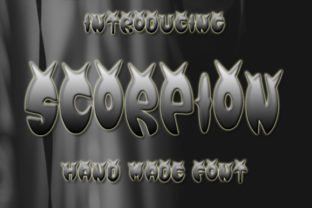
Scorpion is a modern display font designed to stand out with its authentic, bold aesthetic. It combines clean lines with a touch of character, making it ideal for projects that require visual impact without sacrificing readability. Whether you're designing logos, posters, or digital content, Scorpion offers a versatile and eye-catching solution.
What Makes Scorpion Unique?
Scorpion is more than just another display font—it’s a carefully crafted typeface that balances modern design with a sense of authenticity. Its structure is influenced by classic typography but adapted for contemporary use. The font features strong, consistent strokes and a balanced weight distribution, which helps maintain legibility even at smaller sizes.
The authentic look of Scorpion comes from its attention to detail. Each letterform is designed with a purpose, ensuring that the font feels both professional and approachable. This makes it suitable for a wide range of applications, from branding materials to editorial design.
Why Would You Be Interested in Scorpion?
If you're looking for a font that can elevate your design work without overwhelming your audience, Scorpion is worth considering. Its bold presence makes it perfect for headlines, titles, and other prominent text elements. Additionally, Scorpion's versatility allows it to adapt to various contexts, whether it's used in print or digital formats.
One of the key reasons designers are drawn to Scorpion is its ability to convey confidence and strength. The font’s solid structure and clear typography make it ideal for projects that need to communicate authority and clarity. This is particularly useful in areas like marketing, advertising, and creative branding.
Benefits and Considerations
Using Scorpion can bring several benefits to your design process. First, its modern appearance ensures that your work remains current and relevant. Second, the font’s clean design reduces the risk of visual clutter, allowing your message to come through clearly.
However, there are also considerations to keep in mind. As a display font, Scorpion is best suited for headlines and short text rather than long-form content. Using it for body text may lead to readability issues, especially at smaller sizes. Additionally, while Scorpion is visually striking, it may not be the most subtle option for all design needs.
Another important consideration is the font’s compatibility. While Scorpion is available in multiple formats (such as OTF and TTF), it’s essential to ensure that your chosen platform or software supports these formats. This is particularly relevant when working with web-based designs or cross-platform projects.
Situations Where Scorpion Excels
Scorpion shines in situations where a strong visual identity is needed. For example, it works exceptionally well for logos, branding materials, and event signage. Its bold style can help your brand stand out in a crowded market, making it an excellent choice for businesses aiming to make a lasting impression.
The font is also well-suited for digital content, such as social media posts, website headers, and promotional banners. Its clean lines and modern design ensure that it looks great on screens of all sizes, from mobile devices to desktop monitors.
Additionally, Scorpion can be a valuable asset in creative projects like book covers, magazine layouts, and artistic illustrations. Its unique character and visual appeal make it a great choice for designers looking to add personality and flair to their work.
When to Consider Alternatives
While Scorpion has many strengths, it may not be the best fit for every project. If you’re working on a design that requires a more subtle or traditional feel, alternatives like Bebas Neue, Montserrat, or Roboto might be better suited to your needs.
For instance, if your goal is to create a professional and trustworthy look, a sans-serif font like Montserrat or Roboto could offer a more refined and elegant appearance. On the other hand, if you’re aiming for a modern and edgy aesthetic, Scorpion’s boldness might be exactly what you need.
It’s also important to consider the audience and context of your design. In some cases, using a more readable font may be preferable to ensure that your message is communicated effectively. Always test how the font appears in different environments before finalizing your design.
Making an Informed Decision
Choosing the right font depends on your specific goals and requirements. When evaluating Scorpion, ask yourself: Does it align with my brand identity? Is it appropriate for the intended audience? Will it enhance the overall message I want to convey?
Consider experimenting with different text styles and sizes to see how Scorpion performs in various scenarios. Pay attention to how it interacts with other design elements, such as colors, images, and layout structures. This will help you determine whether Scorpion is the best fit for your project.
Ultimately, Scorpion is a powerful tool for designers who want to make a statement with their typography. By understanding its strengths and limitations, you can make an informed decision about whether it’s the right choice for your next creative endeavor.