Preview: A Clean, Modern Tool for Clarity in Every Workflow
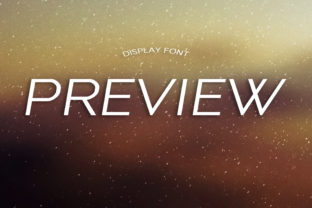
Preview is more than just a display font—it's a design philosophy that emphasizes clarity, legibility, and modern aesthetics. With its slightly tilted structure, Preview delivers messages with precision while maintaining an elegant appearance. Whether you're crafting content, designing interfaces, or preparing presentations, Preview fits seamlessly into a wide range of workflows, helping professionals and creators communicate effectively.
Understanding Preview and Its Role in the Design Process
Preview is a typeface designed to enhance readability without sacrificing style. Its clean lines and subtle tilt make it ideal for both digital and print media. When used in web design, branding, or document creation, Preview ensures that text remains easy to read even at smaller sizes or from a distance.
Its role in the broader design process is to serve as a foundation for visual communication. Before finalizing any project—whether it’s a website, brochure, or social media post—using Preview allows designers to test how text will appear across different platforms and devices. This step helps identify potential issues early on, reducing the need for revisions later.
When and How to Use Preview in Your Workflow
Preview can be integrated into your workflow at various stages:
- Before a project: Use Preview to draft initial concepts or mockups. It provides a clear baseline for how text will look in the final product.
- During development: As you build out your design or content, Preview can be used to maintain consistency in typography. This is especially useful when working with multiple collaborators who may be using different fonts.
- After completion: Before publishing or printing, review your work using Preview to ensure that all text elements are legible and visually appealing.
This flexibility makes Preview suitable for a variety of tasks, including blog writing, graphic design, presentation slides, and even email marketing. By incorporating Preview into these stages, you can streamline your workflow and improve the overall quality of your output.
Integrating Preview with Other Tools and Resources
One of the key advantages of Preview is its compatibility with a wide range of tools and platforms. Whether you're using Adobe Creative Suite, Canva, Google Docs, or WordPress, Preview can be easily embedded into your projects.
For example, if you're designing a brochure in Adobe InDesign, you can import Preview as a font and apply it consistently throughout the document. Similarly, if you're creating a landing page in WordPress, you can use a theme that supports Preview or install a plugin that enables it.
Collaboration is also simplified with Preview. Since it's a widely supported font, team members can view and edit documents without encountering formatting issues. This ensures that everyone stays aligned with the project's visual standards.
Practical Tips for Using Preview Effectively
To get the most out of Preview, consider the following tips:
- Test readability: Always check how Preview appears on different screen sizes and resolutions. This helps ensure that your message remains clear to all users.
- Use it consistently: Apply Preview uniformly across all text elements in your project. Consistency improves professionalism and enhances user experience.
- Combine with other fonts: While Preview is excellent for body text, pairing it with a complementary font for headings or accents can add visual interest without compromising clarity.
- Optimize for accessibility: Ensure that Preview is used in a way that supports readability for people with visual impairments. Avoid using overly small text or low-contrast color schemes.
Factors to Consider for Long-Term Use
While Preview is a versatile font, there are several factors to keep in mind for long-term use:
- Preparation: Before starting a project, familiarize yourself with Preview's characteristics. Understand how it looks in different weights, styles, and spacing options.
- Compatibility: Verify that Preview is available on all devices and platforms where your content will be viewed. If necessary, use web-safe alternatives for cross-platform consistency.
- Organization: Maintain a consistent library of fonts and templates that include Preview. This helps speed up future projects and reduces the risk of errors.
- Efficiency: Use Preview in combination with other productivity tools, such as style guides or font managers, to streamline your workflow and minimize manual adjustments.
By considering these factors, you can ensure that Preview remains a valuable asset in your creative toolkit over time.
Real-World Applications of Preview
Preview finds practical applications in many areas:
- Web design: Use Preview for body text on websites to improve readability and user engagement.
- Content creation: Bloggers and writers can benefit from Preview's clean appearance when formatting articles or newsletters.
- Presentations: Incorporate Preview into slide decks to maintain a professional and polished look throughout your presentation.
- Marketing materials: From brochures to social media posts, Preview ensures that your brand messaging is communicated clearly and effectively.
These examples highlight how Preview can be adapted to suit various needs, making it a versatile choice for professionals across industries.
Conclusion: Making Preview Part of Your Routine
Incorporating Preview into your workflow doesn't require major changes—it simply involves choosing a font that aligns with your goals for clarity and aesthetics. Whether you're a designer, marketer, educator, or entrepreneur, Preview offers a reliable solution for enhancing the readability of your work.
By integrating Preview into your daily routine, you can streamline your processes, reduce the need for revisions, and deliver content that resonates with your audience. Its clean, modern design and exceptional legibility make it a powerful tool for anyone looking to communicate more effectively in today's fast-paced digital world.