Why Get Lucky is Becoming a Game-Changer in Modern Design
In the ever-evolving world of design, typography plays a crucial role in shaping user experience, brand identity, and visual storytelling. One font that has recently captured the attention of professionals, creators, and entrepreneurs alike is Get Lucky. This unique display font with a bold feel is not just another addition to the vast typography landscape—it's a tool that can transform any design project into a true standout.
What is Get Lucky?
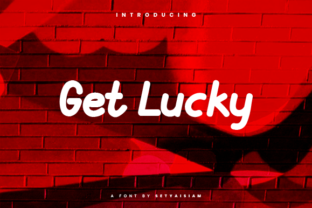
Get Lucky is a modern, dynamic display font designed to command attention while maintaining readability. Its bold structure and distinctive character shapes give it an energetic presence, making it ideal for headlines, logos, and other prominent text elements. Unlike traditional serif or sans-serif fonts, Get Lucky brings a sense of movement and personality to any layout, offering designers a fresh approach to visual communication.
The font’s design philosophy centers around simplicity and impact. Each letterform is crafted to be both eye-catching and versatile, allowing it to adapt across different mediums—from digital interfaces to print materials. Whether you're designing a website, packaging, or marketing collateral, Get Lucky offers a powerful way to convey confidence and creativity.
Fitting into Broader Industry Trends
The rise of Get Lucky aligns with several key trends across creative industries. In today's fast-paced digital environment, brands are constantly seeking ways to stand out in a crowded marketplace. Consumers are more visually discerning than ever before, and they respond positively to designs that feel original and purposeful.
This shift in consumer expectations has led to a growing demand for unique typographic solutions. Get Lucky meets this need by providing a font that is both contemporary and expressive. It resonates with the current emphasis on minimalism and boldness—a balance that many leading brands are now embracing in their visual identities.
Moreover, as remote work and digital collaboration become the norm, the need for clear and impactful communication tools has never been greater. Get Lucky supports this by enabling designers to create visuals that are instantly recognizable and emotionally engaging—key factors in capturing audience attention in a split second.
Why People Are Paying Attention to Get Lucky
There are several reasons why Get Lucky is gaining traction among professionals and creatives. First, it offers a level of uniqueness that is difficult to achieve with standard fonts. In an age where visual fatigue is common due to the sheer volume of content online, standing out is essential. Get Lucky helps designers break through the noise and make a lasting impression.
Second, the font is incredibly versatile. It works well in both digital and print formats, which is a significant advantage for freelancers and agencies that handle a variety of projects. Whether used in a mobile app interface, a social media campaign, or a magazine cover, Get Lucky maintains its integrity and impact.
Third, the increasing importance of brand personality in marketing has made fonts like Get Lucky more relevant than ever. A brand's typography is often one of the first things consumers notice, and it can communicate a lot about the brand's values and tone. With Get Lucky, designers have a powerful instrument to express energy, innovation, and confidence.
Changing Needs and Expectations in Design
The design industry is undergoing a transformation driven by changing needs and expectations. Designers are no longer just creating aesthetically pleasing visuals—they’re crafting experiences that resonate emotionally with users. This evolution has led to a greater emphasis on typography as a core element of design strategy.
Modern audiences expect content that is not only informative but also visually compelling. Get Lucky caters to this expectation by offering a font that feels alive and dynamic. It allows designers to infuse their work with a sense of movement and emotion, making it more relatable and memorable.
Additionally, the rise of user-generated content and influencer marketing has increased the demand for customizable and adaptable design assets. Get Lucky fits perfectly into this ecosystem, as it can be easily integrated into various platforms and customized to suit different branding needs.
Practical Examples and Observations
Consider a startup launching a new product. The brand wants to convey excitement and innovation, and Get Lucky becomes the go-to font for all their promotional materials. From their website headline to their Instagram captions, the font adds a consistent and energetic tone that aligns with their brand message.
Another example is a freelance designer working on a client's rebranding project. The client wants to appear modern and approachable, yet still maintain a strong presence. By incorporating Get Lucky into the logo and marketing collateral, the designer achieves a balance between boldness and clarity, resulting in a brand identity that stands out without being overwhelming.
Even in the realm of personal branding, Get Lucky has found its place. Entrepreneurs and influencers use it to create visually striking social media profiles, blog headers, and email signatures. The font's versatility makes it a popular choice for those looking to build a cohesive and impactful online presence.
Connecting to Larger Developments
The popularity of Get Lucky is not just a passing trend; it reflects larger developments in the design and technology sectors. As artificial intelligence and machine learning continue to shape creative workflows, there is a growing interest in tools that enhance human creativity rather than replace it. Get Lucky embodies this principle by empowering designers with a font that enhances their ability to communicate effectively and creatively.
Furthermore, the global shift toward digital-first strategies has increased the need for scalable and adaptable design elements. Get Lucky meets this need by being compatible with a wide range of design software and platforms, ensuring that it remains a valuable asset regardless of the project's scope or medium.
As sustainability becomes a key consideration in design, the environmental impact of digital assets is also coming under scrutiny. Fonts like Get Lucky, which are optimized for performance and efficiency, contribute to a more sustainable design practice by reducing file sizes and improving load times without compromising quality.
Conclusion
Get Lucky is more than just a font—it's a reflection of the evolving design landscape and the changing expectations of both creators and consumers. Its bold, dynamic style offers a fresh perspective on typography, making it a valuable tool for professionals, entrepreneurs, and enthusiasts alike.
Whether you're looking to elevate your brand's visual identity, create engaging content, or simply explore new creative possibilities, Get Lucky provides a powerful solution. As the design world continues to embrace boldness and authenticity, fonts like Get Lucky will undoubtedly play a central role in shaping the future of visual communication.