Thrive: A Unique Display Font for Standout Design Projects
When it comes to typography, the right font can elevate a design from ordinary to extraordinary. Thrive is a display font that has gained attention for its distinctive style and versatility in various design contexts. Designed with a balance of modern aesthetics and readability, Thrive offers designers a powerful tool to make their projects stand out without sacrificing functionality.
What Is Thrive?
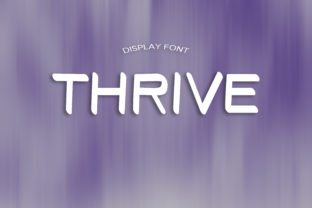
Thrive is a display font characterized by its bold, dynamic strokes and clean lines. It belongs to the category of sans-serif fonts but incorporates unique elements that set it apart from more conventional options. The font's structure is optimized for visual impact, making it ideal for headlines, logos, and other prominent text elements in both digital and print media.
The name "Thrive" reflects the font’s ability to help content flourish and capture attention. Its design philosophy emphasizes clarity, strength, and adaptability—key attributes that resonate with professionals who need a font that works across different platforms and mediums.
Distinct Features of Thrive
Several features distinguish Thrive from other display fonts:
- Modern Geometry: Thrive uses geometric shapes to create a sense of order and precision, which contributes to its professional appearance.
- Versatile Weight Options: Available in multiple weights, Thrive allows for subtle variations in emphasis and tone within a single design.
- Excellent Readability: Despite being a display font, Thrive maintains good legibility even at smaller sizes, making it suitable for a broader range of applications.
- Wide Character Set: The font includes a comprehensive character set, supporting multiple languages and special symbols.
These features collectively make Thrive a compelling choice for designers looking to enhance the visual appeal of their work while maintaining usability.
How Thrive Compares to Similar Fonts
In the world of display fonts, several alternatives offer similar benefits. However, each font has its own strengths and limitations. Understanding these differences can help you decide whether Thrive is the best fit for your project.
For example, consider Montserrat, another popular sans-serif font known for its simplicity and modern feel. While Montserrat excels in minimalistic designs, it lacks the dynamic edge that Thrive provides. Similarly, Roboto is widely used for its clean, approachable look, but it may not deliver the same level of visual punch as Thrive.
On the other hand, Bebas Neue is a bold, all-caps font often used for headlines. While it shares some similarities with Thrive, it tends to be less versatile in terms of weight and spacing options. Thrive, in contrast, offers more flexibility, allowing designers to tailor their use of the font to specific needs.
Strengths and Tradeoffs of Using Thrive
Like any design tool, Thrive comes with its own set of advantages and potential drawbacks. Here’s a closer look at what to expect:
Strengths
- Visual Impact: Thrive’s strong, confident letterforms make it ideal for grabbing attention in headlines, banners, and branding materials.
- Professional Appearance: The font’s structured design gives it a polished, contemporary look that suits both digital and print formats.
- Adaptability: With multiple weights and styles, Thrive can be used creatively in various contexts, from website headers to packaging designs.
- Readability: Despite its bold nature, Thrive remains easy to read, especially when used appropriately in size and spacing.
Potential Limitations
- Not Ideal for Long Text: As a display font, Thrive is not recommended for large blocks of body text due to its stylized form and spacing.
- Limited Use Cases: While versatile, Thrive may not be the best choice for every project. For instance, it might not suit a more traditional or vintage aesthetic.
- Learning Curve: Designers unfamiliar with display fonts may need time to experiment with Thrive’s characteristics to achieve optimal results.
Considering these factors, Thrive is best suited for projects where visual impact and modernity are priorities. However, it’s important to evaluate your specific needs before committing to this font.
Best-Fit Situations for Thrive
Thrive shines in scenarios where a strong, modern presence is desired. Here are some common use cases where Thrive excels:
- Headlines and Titles: Thrive’s bold, eye-catching style makes it perfect for headlines on websites, posters, and presentations.
- Logos and Branding: The font’s clean, structured appearance lends itself well to logo design, helping to establish a professional brand identity.
- Marketing Materials: From brochures to social media posts, Thrive can add a touch of sophistication and energy to promotional content.
- UI/UX Design: When used sparingly, Thrive can enhance user interfaces by drawing attention to key elements like buttons, menus, and call-to-action sections.
However, it’s crucial to avoid overusing Thrive. Pairing it with more readable fonts for body text ensures a balanced and effective design.
When to Consider Alternatives
While Thrive is an excellent option for many design projects, there are instances where other fonts may be more appropriate. Consider the following situations:
- Traditional or Vintage Designs: If your project requires a classic or nostalgic feel, fonts like Garamond or Baskerville might be better choices.
- Minimalist Layouts: For a clean, uncluttered look, simpler fonts such as Helvetica or Lato could provide a more refined appearance.
- High-Contrast Backgrounds: Thrive’s bold strokes may not render well on certain backgrounds, so testing the font in context is essential.
- International Audiences: If your content targets non-English speakers, ensure that Thrive supports the necessary characters and languages for your audience.
Evaluating these factors will help you determine whether Thrive aligns with your design goals or if an alternative would be more suitable.
Final Thoughts
Thrive is a display font that brings a fresh, modern perspective to typography. Its combination of strength, clarity, and adaptability makes it a valuable asset for designers aiming to create visually striking projects. However, like any tool, it should be used thoughtfully and strategically to maximize its impact.
By considering the strengths and limitations of Thrive, as well as its suitability for different design contexts, you can make an informed decision about whether this font is the right choice for your next project. Ultimately, the goal is to select a font that enhances your message and resonates with your audience—a task that Thrive is well-equipped to support.