Savage: A Timeless Display Font for Modern Design
Fonts are more than just tools for communication; they shape the visual identity of any project, from branding to publishing. Among the many display fonts available today, Savage stands out as a unique and timeless choice that balances elegance with versatility. Designed with refined serifs and a clean structure, Savage offers a distinctive look that works well in both title text and body copy. This article explores what makes Savage a valuable addition to any designer’s toolkit, its practical applications, and who might benefit most from using it.
The Essence of Savage
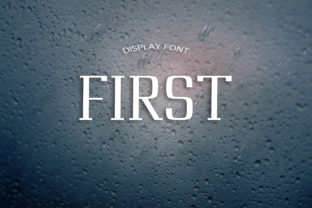
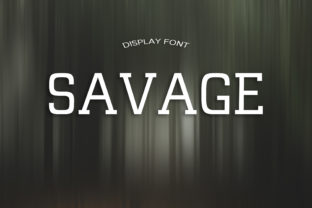
Savage is a display font that combines traditional typographic elements with a modern sensibility. Its elegant serifs give it a classic feel, while its overall structure ensures readability even at smaller sizes. Unlike some display fonts that can appear overly ornate or difficult to read, Savage maintains a level of clarity that makes it suitable for a wide range of uses. Whether you're designing a website, creating marketing materials, or preparing a publication, Savage brings a sense of sophistication without compromising usability.
What sets Savage apart is its ability to adapt to different contexts. It doesn't demand to be the center of attention but still commands respect through its design. This makes it an excellent choice for projects where the font needs to convey professionalism and style simultaneously.
Key Characteristics and Strengths
Several key characteristics define Savage's appeal:
- Elegant Serifs: The font features beautifully crafted serifs that add a touch of refinement. These details enhance legibility and contribute to a polished appearance.
- Versatile Weight: While primarily designed as a display font, Savage has enough weight and contrast to work effectively in body text when used appropriately.
- Consistent Spacing: Proper letter spacing and kerning ensure that text remains balanced and easy to read across various sizes and mediums.
- Timeless Aesthetic: With its clean lines and classic proportions, Savage avoids the fleeting trends that often characterize other display fonts. This ensures its continued relevance over time.
These attributes make Savage not only visually appealing but also highly functional. It's a font that respects both form and function, which is rare in the world of typography.
Real-World Performance and Usability
In practice, Savage performs exceptionally well in a variety of real-world scenarios. For example, when used as a headline on a website, it draws attention without overwhelming the reader. Its serif design adds a touch of elegance that complements professional and creative content alike. In print media, Savage maintains its quality whether printed on high-resolution paper or displayed digitally.
One of the most notable aspects of Savage is its reliability. It doesn’t introduce unexpected rendering issues across different platforms or devices. This consistency is crucial for designers who need to ensure their work looks consistent everywhere it appears.
However, like any font, Savage may not be the best fit for every situation. For instance, if a project requires a highly stylized or decorative font, Savage might seem too restrained. But for those seeking a balance between aesthetics and readability, it excels.
Who Benefits Most from Using Savage?
Savage is particularly well-suited for professionals and creatives who value both design quality and practicality. Here are some groups that may find Savage especially useful:
- Marketers and Brand Strategists: Savage can help reinforce brand identity with a consistent, professional look across all marketing collateral.
- Bloggers and Content Creators: Its readability makes it ideal for headings and subheadings, ensuring that readers can easily navigate through content.
- Freelancers and Designers: As a versatile font, Savage can be used in a wide range of projects, from logos to reports, reducing the need to switch between multiple typefaces.
- Small Business Owners: Businesses looking to establish a professional image can use Savage to create cohesive branding materials that stand out without being distracting.
For these audiences, Savage provides a reliable and stylish solution that supports both visual appeal and functional readability.
Practical Recommendations and Limitations
While Savage is a strong option for many design scenarios, it's important to consider how it fits within your specific workflow. Here are a few recommendations for using Savage effectively:
- Use Sparingly: Although Savage works well as a display font, overusing it can lead to visual clutter. Reserve it for headlines and key points rather than lengthy blocks of text.
- Pair with Complementary Fonts: To maintain visual harmony, pair Savage with a sans-serif font for body text. This contrast enhances readability and creates a balanced layout.
- Test Across Devices: Ensure that Savage renders well on different screens and resolutions. While it generally performs well, subtle adjustments may be needed for optimal results.
Like any tool, Savage has limitations. It may not be the best choice for projects requiring extreme stylistic flair or minimalism. However, for most professional and creative applications, it delivers a compelling combination of style and substance.
Conclusion: A Font Worth Considering
Savage is more than just another display font—it's a thoughtful design that bridges the gap between tradition and modernity. Its elegant serifs, versatility, and consistent performance make it a valuable asset for anyone involved in visual communication. Whether you're crafting a brand identity, producing content, or designing a website, Savage offers a refined yet practical solution that can elevate your work.
If you're looking for a font that combines timeless beauty with real-world usability, Savage is definitely worth exploring. It may not be the right choice for every project, but for those who appreciate quality typography, it's a solid and enduring option.