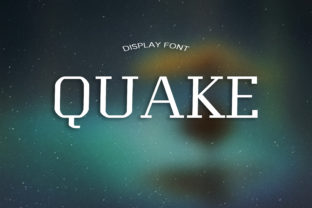
Quake Font: A Bold Choice for Modern Design
In the world of typography, where every letter tells a story, Quake stands out with its unmistakable blocky aesthetic. This modern display font is more than just a collection of characters—it’s a design statement that can elevate your projects from ordinary to extraordinary. Whether you're crafting a logo, designing a website, or creating eye-catching social media content, Quake delivers charm and uniqueness with every stroke.
The Blocky Beauty of Quake
Quake is a display font that embraces a bold, geometric style. Its clean lines and sharp angles give it a strong visual presence, making it ideal for headlines, titles, and other prominent text elements. Unlike traditional serif or script fonts, Quake has a minimalist feel that speaks to contemporary design sensibilities. The font's blocky structure adds a sense of stability and strength, while its modern edge keeps things fresh and current.
What makes Quake particularly appealing is its balance between simplicity and impact. Each character is crafted with precision, ensuring that even the smallest details contribute to an overall sense of professionalism and clarity. This attention to detail means that Quake works well across a variety of mediums, from digital screens to printed materials.
Where Quake Shines in Design Projects
Quake is versatile enough to work in multiple creative contexts. For instance, in logo design, its distinct look can help create a memorable brand identity that stands out from the crowd. In web design, it can be used for headings, buttons, and call-to-action elements to draw attention and encourage interaction. When it comes to social media graphics, Quake's strong visual appeal ensures that your messages are noticed immediately.
In packaging design, the font's boldness can convey confidence and quality, making it a great choice for brands looking to make a lasting impression. For editorial design, Quake can add a touch of modernity to headlines and subheadings, helping to guide readers through content with ease.
Enhancing Readability and Visual Hierarchy
While Quake is primarily a display font, its readability should not be overlooked. The clear spacing between letters and the consistent stroke weight ensure that even at smaller sizes, the text remains legible. This makes it suitable for use in both large and small formats, as long as the context allows for appropriate sizing.
When it comes to visual hierarchy, Quake can be a powerful tool. Its strong presence helps to establish a clear distinction between different levels of information, making it easier for audiences to navigate through content. By using Quake for primary headings and pairing it with a complementary sans-serif or serif font for body text, you can create a balanced and visually engaging layout.
Moreover, the font's uniformity contributes to a sense of brand consistency. When used consistently across all branding materials—whether in print or digital form—Quake reinforces brand recognition and builds a cohesive visual identity.
Choosing Quake for Your Project
Selecting the right font for your project involves more than just choosing something that looks good—it requires considering how the font will function within the broader design context. With Quake, it's important to evaluate whether its blocky aesthetic aligns with your brand's personality and the message you want to convey.
One practical approach is to experiment with font pairings. Pairing Quake with a more traditional typeface can create a nice contrast that enhances both fonts. For example, combining Quake with a clean sans-serif font like Helvetica or Arial can provide a modern yet balanced look.
Also, consider the readability of the font in different contexts. While Quake excels in headlines and titles, it may not be the best choice for long blocks of text. Always test the font in various scenarios to ensure it meets your needs.
Another consideration is commercial licensing. If you're planning to use Quake for a commercial project, make sure you have the appropriate license to avoid any legal issues. Many premium fonts require a purchase or subscription, so it's worth checking the terms before committing to a particular font.
Real-World Applications of Quake
Let's take a closer look at how Quake can be applied in real-world situations. Imagine you're designing a promotional poster for a tech startup. Using Quake for the main headline would immediately grab attention and communicate a sense of innovation and strength. The font's boldness would complement the high-energy vibe of the brand.
In another scenario, say you're creating a magazine cover. Quake could serve as the title font, providing a striking contrast against a minimalist background. Its modern feel would resonate well with a younger audience while still maintaining a level of professionalism.
For personal projects, such as a blog or portfolio site, Quake can help establish a unique visual identity that reflects your creativity and individuality. It's also a great option for event invitations or product packaging, where a strong visual statement is key.
Whether you're a designer, marketer, or content creator, Quake offers a range of possibilities that can enhance your work and leave a lasting impression on your audience.