Boochain: A Strategic Design Asset for Modern Creativity
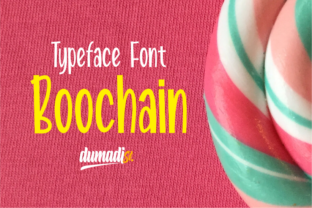
Boochain is a cute display font that offers more than just visual appeal—it brings a strategic advantage to design projects across multiple industries. Whether you're branding a new product, crafting wedding invitations, or designing logos, Boochain can elevate your work with its unique charm and readability. This article explores how to use Boochain effectively, when it fits best, and the considerations that ensure it supports your creative goals rather than detracting from them.
Understanding Boochain’s Role in Design Strategy
Fonts are not merely decorative elements; they communicate tone, brand personality, and emotional resonance. Boochain, with its soft curves and playful yet professional appearance, is ideal for projects where warmth and approachability are key. It blends well with both modern and traditional aesthetics, making it versatile enough to support various design strategies.
Strategic use of Boochain can align with your brand's voice. For instance, if your brand aims to feel friendly and welcoming, Boochain can reinforce that perception through typography. Its legibility at different sizes also ensures that it functions well in both digital and print formats, supporting long-term brand consistency.
When and How to Use Boochain Effectively
Boochain excels in specific use cases where a balance between playfulness and professionalism is required. Here are some scenarios where it can be particularly effective:
- Branding: Use Boochain for logos, taglines, or brand names to create a memorable and friendly first impression.
- Wedding Designs: Ideal for invitations, thank-you cards, or ceremony signage, where a warm and personal touch is essential.
- Headings and Titles: Perfect for blog posts, articles, or presentations where the title needs to stand out without overwhelming the reader.
- Labels and Signatures: Adds character to product labels, packaging, or handwritten signatures without compromising clarity.
When using Boochain, consider pairing it with complementary fonts for body text. This ensures readability while maintaining visual interest. Avoid overusing it in dense blocks of text, as this can reduce legibility and distract from the message.
Planning Your Typography Strategy with Boochain
Incorporating Boochain into your design strategy requires thoughtful planning. Begin by defining the purpose of your project and identifying the audience you're targeting. Ask yourself: What emotions should this design evoke? What message needs to be communicated clearly?
Once you have a clear objective, evaluate whether Boochain aligns with that goal. For example, if you're designing a marketing campaign for a children's toy brand, Boochain's playful nature could enhance the overall appeal. However, if the context is formal—such as a legal document or financial report—this font may not be appropriate.
Consider the medium as well. While Boochain works well in print, digital applications such as websites or mobile apps may require additional testing to ensure it displays correctly across devices and screen resolutions.
Practical Examples of Boochain in Action
Let’s look at a few real-world examples to illustrate how Boochain can be used strategically:
- Branding a New Startup: A tech startup aiming to appear innovative but approachable might use Boochain for their logo and website headings. This creates a friendly yet modern image that resonates with both young professionals and older audiences.
- Designing Wedding Invitations: A couple looking for an elegant yet whimsical invitation could pair Boochain with a serif font for the body text. This combination balances charm with formality, ensuring the event feels special without being overly casual.
- Creating Product Labels: A boutique skincare brand could use Boochain on their packaging to convey a sense of care and attention to detail. The font adds a personal touch that enhances the perceived value of the product.
These examples highlight how Boochain can be tailored to fit specific contexts, reinforcing brand identity and improving user experience.
Potential Risks and Considerations
While Boochain offers many benefits, there are risks associated with using any font without proper consideration. One common pitfall is applying it in situations where it doesn't align with the intended message or audience expectations. For instance, using Boochain for a high-stakes corporate presentation might come across as unprofessional or immature.
Another risk is overuse. Limiting Boochain to key visual elements—such as headings, logos, or accents—ensures it remains impactful without becoming distracting. Additionally, always check for licensing restrictions before using Boochain commercially, especially if you're working on client projects or publishing content online.
Finally, consider accessibility. While Boochain is visually appealing, ensure that it remains readable for all users, including those with visual impairments. Pairing it with high-contrast colors and sufficient spacing can help maintain accessibility standards.
Integrating Boochain into Long-Term Design Practices
To make the most of Boochain, integrate it into your long-term design practices by establishing clear guidelines for its use. This includes defining when and where to apply it, what other fonts should complement it, and how it contributes to your brand's visual language.
Consider creating a style guide that outlines these rules for your team or clients. This ensures consistency across all materials and helps avoid misinterpretation or misuse of the font. Regularly review and update this guide as your brand evolves, allowing Boochain to grow with your design strategy.
Additionally, stay informed about trends in typography and how they may affect the relevance of Boochain in different markets. While it's currently popular for its cuteness, future preferences may shift, so it's wise to remain adaptable in your choices.
Conclusion
Boochain is more than just a cute display font—it's a strategic tool that can enhance your design projects when used thoughtfully. By understanding its strengths, limitations, and appropriate use cases, you can leverage it to achieve better results in branding, communication, and creativity. Always align its use with your goals, audience, and context to ensure it supports your long-term vision rather than working against it.